Heavy Rains Expected in Parts of Ghana: Safety Tips Every Resident Should Know
Heavy Rains Expected in Parts of Ghana: Safety Tips Every Resident Should Know

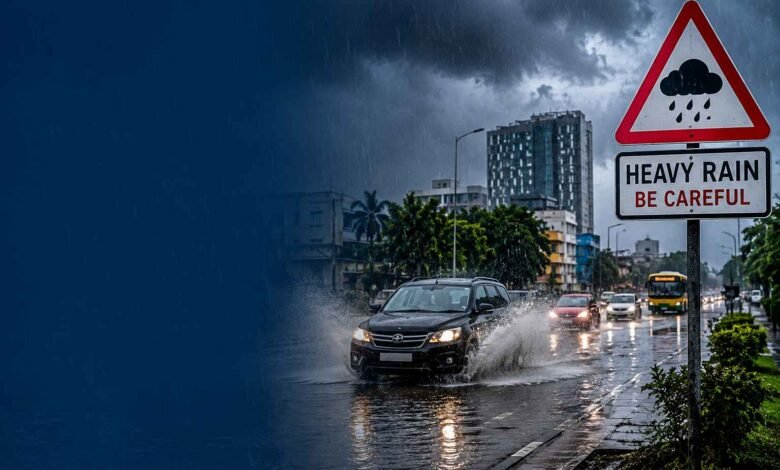
Heavy Rains Expected in Parts of Ghana: Safety Tips Every Resident Should Know.
As Ghana enters another period of seasonal rainfall, residents are being encouraged to prepare for possible heavy downpours, localized flooding, and thunderstorms in several parts of the country. While rainfall is essential for agriculture and water supply, intense storms can also pose serious risks to lives, property, and transportation.
READ MORE: 10 Daily Habits That Can Help Keep Your Kidneys Healthy
Weather experts advise the public to stay informed through official forecasts and take necessary precautions before and during heavy rainfall.
Why Heavy Rainfall Occurs During the Rainy Season
Heavy rainfall is common during Ghana’s rainy seasons due to increased moisture in the atmosphere and changing weather patterns. Coastal, forest, and some middle-belt regions often experience prolonged rainfall, while northern parts of the country may receive intense but shorter storms.
Climate experts also note that urbanization and poor drainage systems can worsen flooding, especially in densely populated cities.
Areas Most Vulnerable to Flooding
Flooding can occur in many communities, but it is often more severe in:
- Low-lying residential areas
- Communities near rivers and streams
- Areas with blocked drainage systems
- Urban centres with inadequate drainage infrastructure
- Roads prone to waterlogging
Residents living in these locations should remain especially alert whenever heavy rainfall is forecast.
Safety Tips During Heavy Rainfall
Avoid Floodwaters
Never attempt to walk or drive through floodwaters. Even shallow water can hide open drains, potholes, or strong currents.
Stay Indoors During Thunderstorms
If lightning and thunder are present, remain indoors and avoid using electrical appliances connected directly to power outlets.
Secure Outdoor Items
Strong winds can blow away loose objects. Secure outdoor furniture, bins, and construction materials before storms arrive.
Keep Emergency Supplies Ready
Every household should have:
- Flashlights
- Batteries
- Drinking water
- First-aid supplies
- Fully charged mobile phones
- Essential medications
Monitor Official Weather Updates
Always rely on updates from the Ghana Meteorological Agency (GMet) and the National Disaster Management Organisation (NADMO) for accurate weather information and emergency guidance.
Tips for Drivers
Heavy rainfall significantly reduces road visibility and increases the risk of accidents.
Drivers should:
- Reduce speed.
- Maintain a safe distance from other vehicles.
- Turn on headlights during heavy rain.
- Avoid driving through flooded roads.
- Check tyres and brakes regularly.
If visibility becomes extremely poor, safely pull over until conditions improve.
Protecting Your Home
Simple preparations can reduce damage during heavy rains.
Homeowners should:
- Clean gutters and drainage channels.
- Repair leaking roofs.
- Trim weak tree branches.
- Store important documents in waterproof containers.
- Disconnect electrical equipment if flooding threatens the property.
Impact on Farmers
Rainfall generally benefits agriculture, but excessive rain can damage crops, delay harvesting, and increase the risk of soil erosion.
Farmers are encouraged to monitor weather forecasts and adjust planting or harvesting schedules when necessary.
What to Do After Flooding
After floodwaters recede:
- Avoid contact with contaminated water.
- Inspect buildings carefully before entering.
- Do not switch on electricity until it has been checked if flooding occurred.
- Dispose of spoiled food.
- Report damaged infrastructure to local authorities.
Heavy rains are a normal part of Ghana’s climate, but preparation can significantly reduce their impact. By staying informed, following official weather updates, and taking simple safety measures, residents can protect themselves, their families, and their property.
Preparedness remains one of the most effective ways to reduce the risks associated with severe weather.
FOLLOW US ON FACEBOOK