Ghana’s mineral revenue picture is drawing fresh attention after the Minerals Income Investment Fund (MIIF) reported that it had recorded GH¢7.82 billion in mineral royalty receipts and set a target of GH¢9 billion. The figures highlight the importance of the mining sector to public revenue—and raise practical questions about how royalties are collected, managed and translated into benefits for communities.
The reported receipts and target were highlighted in a Ghana News Agency report published on October 23, 2026. The announcement is significant because mineral royalties are one of the channels through which the country receives value from the extraction of its natural resources. GNA’s trending news page provides the agency’s coverage.
Why mineral royalties matter
Royalties are payments linked to the extraction of mineral resources. They are distinct from other taxes and charges that companies may pay. Their importance goes beyond the headline amount: the revenue can support national fiscal planning and public investment, while the way it is distributed and accounted for influences public confidence in the mining sector.
Ghana’s gold industry includes large-scale operators as well as small-scale mining activity. Production levels, global gold prices, exchange-rate movements and the effectiveness of collection systems can all affect the value of revenue recorded over a period. A rise in receipts therefore needs to be understood in context rather than treated as a direct measure of improved living conditions.
GH¢7.82 billion recorded, GH¢9 billion target
MIIF’s reported GH¢7.82 billion in mineral royalty receipts places the GH¢9 billion target in focus. The target represents an ambition to increase receipts, but the public will need clear information about the period covered, the assumptions behind the projection and the measures being used to achieve it.
Transparent reporting can help readers distinguish between revenue already collected and a future target. It can also explain whether changes reflect production volumes, commodity prices, improved compliance, adjustments in reporting or a combination of factors. These details matter to analysts, businesses, communities and taxpayers.
Turning mining revenue into visible community value
Mining communities often experience the direct effects of extraction, including pressure on roads, water resources, land and local services. For that reason, public discussion of royalty revenue frequently centres on whether communities see improvements that match the scale of economic activity around them.
Visible outcomes may include better access roads, reliable water systems, schools, health facilities and support for local livelihoods. Such projects need proper planning, maintenance and public disclosure. A completed facility that lacks staff, equipment or a maintenance budget may not deliver the intended long-term benefit.
Community participation is also important. Residents should be able to understand which projects are planned, how funds are allocated, who is responsible for delivery and where concerns can be raised. Clear project updates and accessible financial information can reduce speculation and help communities hold institutions accountable.
Environmental protection remains part of the conversation
Revenue discussions should not overlook the environmental costs that can accompany mining. Illegal mining and poorly managed operations can damage farmland, pollute water bodies and undermine the health and income of communities. Enforcement, land restoration, responsible operating standards and monitoring are essential alongside revenue collection.
Where public funds support mining-related development, planning should consider the long-term future of communities after mineral deposits decline or operations close. Skills training, diversified local businesses and environmental rehabilitation can help reduce dependence on a single industry.
What the public should look for next
As MIIF pursues its GH¢9 billion target, several questions deserve continued attention: What period does the reported receipt cover? How is the target calculated? What share reaches relevant public funds and beneficiary areas? Which projects have been completed, and how are their outcomes measured? What safeguards ensure that allocations are used for their intended purposes?
Regular, understandable updates can answer these questions without requiring readers to interpret complex financial statements on their own. Independent oversight and timely audits can further strengthen trust, while public institutions should make key information easy to find.
A revenue milestone is only one measure
Ghana’s mineral resources can contribute significantly to national development, but the size of royalty receipts is only one indicator of performance. Responsible extraction, fair and transparent revenue management, environmental safeguards and meaningful community benefits are equally important.
The reported GH¢7.82 billion and the GH¢9 billion target provide a useful starting point for public discussion. The next measure of progress will be how clearly the revenue is accounted for and how effectively it supports durable improvements in people’s lives.
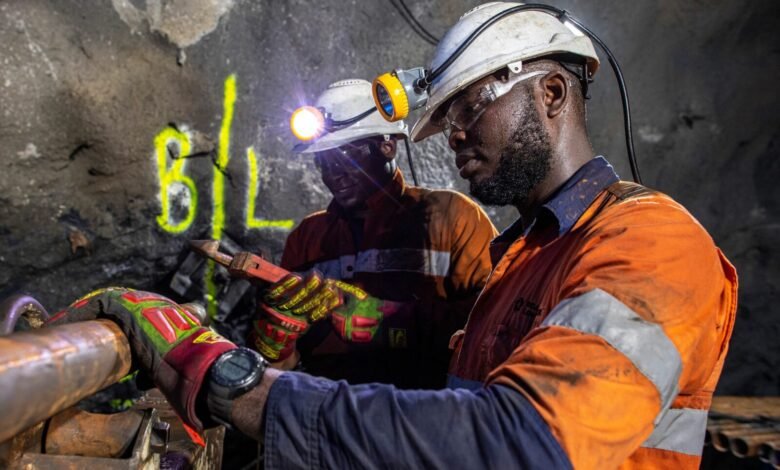
Source note: This article is an original explanatory report based on the Ghana News Agency’s October 23, 2026, reporting on MIIF’s royalty receipts and target. The photograph is illustrative and is not represented as a picture of a specific mine or event.