10 Daily Habits That Can Help Keep Your Kidneys Healthy
10 Daily Habits That Can Help Keep Your Kidneys Healthy

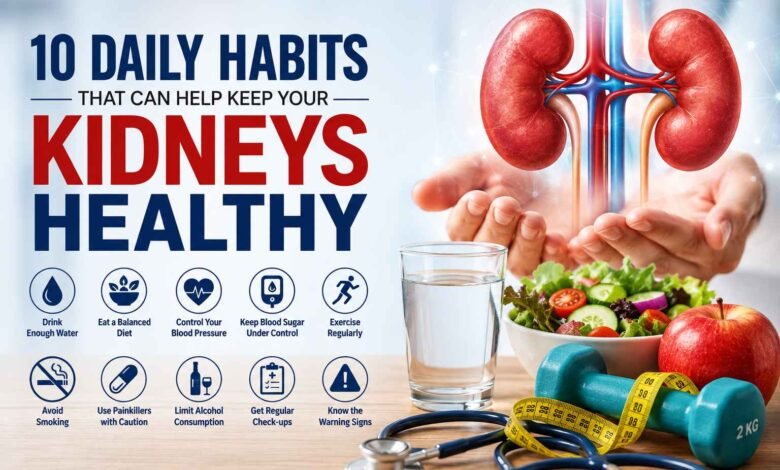
10 Daily Habits That Can Help Keep Your Kidneys Healthy.
Your kidneys are among the hardest-working organs in your body. Every day, they filter waste products, balance fluids, regulate blood pressure, produce hormones, and help keep your body’s minerals in balance. Despite their importance, many people don’t think about kidney health until a problem develops.
READ MORE: Healthy Morning Habits That Can Improve Your Daily Life
Kidney disease often progresses silently, with few noticeable symptoms in its early stages. By adopting healthy lifestyle habits, you can reduce your risk of kidney disease and support your kidneys for years to come.
1. Drink Enough Water
Water plays a vital role in helping the kidneys remove waste products through urine. Staying well hydrated may also help reduce the risk of kidney stones and urinary tract infections. However, there is no universal rule that everyone must drink eight glasses a day—your fluid needs depend on factors such as age, climate, activity level, and overall health.
2. Eat a Balanced Diet
A healthy diet supports not only your kidneys but your entire body.
Include foods such as:
- Fresh fruits
- Vegetables
- Whole grains
- Beans
- Fish
- Nuts
- Healthy fats
Try to reduce your intake of highly processed foods, sugary drinks, and foods high in salt, as excessive sodium can contribute to high blood pressure, a major risk factor for kidney disease.
3. Control Your Blood Pressure
High blood pressure is one of the leading causes of chronic kidney disease.
Monitoring your blood pressure regularly, reducing salt intake, exercising consistently, and following your healthcare provider’s advice can help protect your kidneys from long-term damage.
4. Keep Blood Sugar Under Control
People living with diabetes have a higher risk of developing kidney disease.
Maintaining healthy blood sugar levels through proper nutrition, regular exercise, medication when prescribed, and routine medical check-ups can significantly reduce this risk.
5. Exercise Regularly
Physical activity helps maintain a healthy weight while reducing the risk of high blood pressure and diabetes.
Aim for at least 150 minutes of moderate exercise each week, such as brisk walking, cycling, swimming or dancing.
Regular movement benefits both your heart and kidneys.
6. Avoid Smoking
Smoking damages blood vessels throughout the body, including those supplying the kidneys.
Quitting smoking improves circulation and lowers the risk of kidney disease, heart disease and stroke.
7. Be Careful with Painkillers
Frequently taking non-steroidal anti-inflammatory drugs (NSAIDs), such as ibuprofen or naproxen, can harm the kidneys, particularly when used in high doses or for extended periods.
Only use these medicines as directed and seek medical advice if you need long-term pain management.
8. Limit Alcohol Consumption
Excessive alcohol can increase blood pressure and place additional stress on your kidneys.
If you drink alcohol, do so in moderation and stay hydrated.
9. Get Regular Health Check-ups
Kidney disease often has no symptoms during its early stages.
Routine medical check-ups, especially for people with diabetes, high blood pressure, obesity or a family history of kidney disease, can help detect problems before they become serious.
10. Know the Warning Signs
Although kidney disease can be silent, symptoms may include:
- Swelling in the feet, ankles or hands
- Persistent tiredness
- Changes in urination
- Blood in the urine
- Loss of appetite
- Persistent nausea
- Difficulty concentrating
If you notice these symptoms, seek medical evaluation promptly.
Why Kidney Health Matters
Healthy kidneys do much more than filter waste. They help regulate blood pressure, maintain fluid balance, produce red blood cells and support strong bones by maintaining mineral balance.
Protecting your kidneys through healthy daily habits can improve your overall quality of life and reduce your risk of chronic illness.
Ending
Your kidneys work around the clock to keep your body functioning properly, making them essential to your long-term health.
Simple lifestyle choices—such as drinking enough water, eating nutritious foods, exercising regularly, controlling blood pressure and blood sugar, and avoiding smoking—can go a long way toward protecting kidney function.
If you have concerns about your kidney health or are at higher risk of kidney disease, speak with a qualified healthcare professional for advice and regular screening.
FOLLOW US ON FACEBOOK






3 Comments