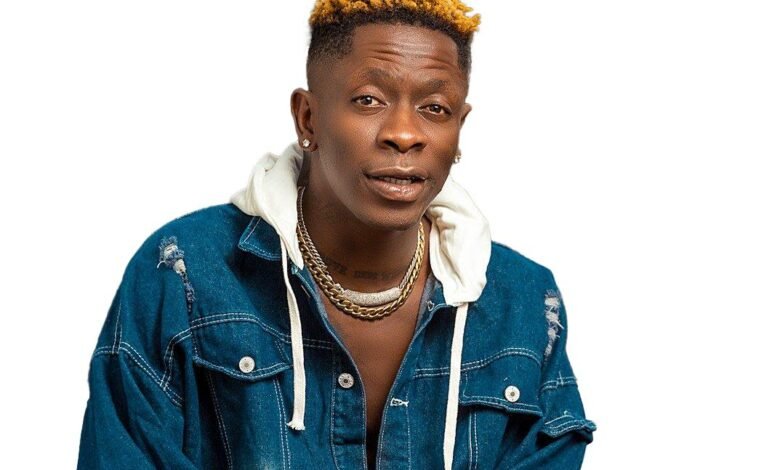
Shatta Wale’s Reported $45,000 TikTok Earnings Highlight New Income Opportunities for Ghanaian Musicians
Ghana’s music industry continues to explore new ways for artistes to reach audiences and earn money beyond traditional performances and music sales. A recent statement attributed to dancehall star Shatta Wale has brought renewed attention to the financial opportunities available through social media livestreaming. 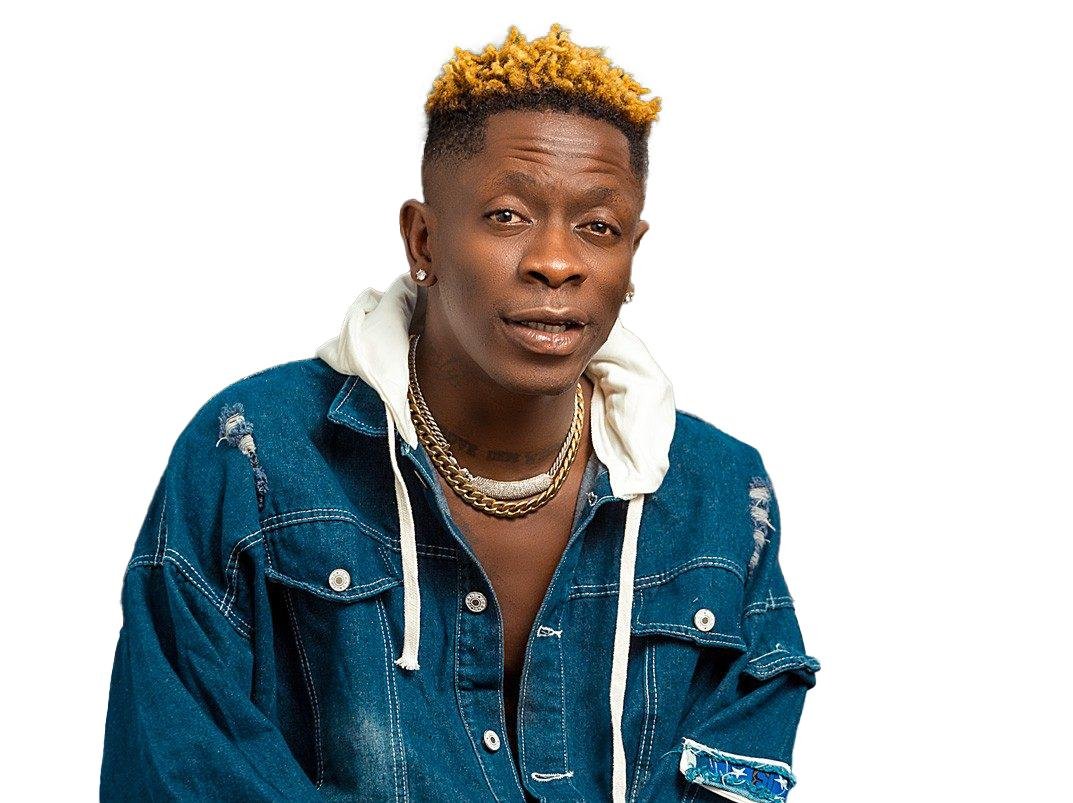
According to entertainment reports published on October 11, 2026, Shatta Wale disclosed that he had earned approximately $45,000 from gifts received during TikTok livestreams. The reported figure has sparked interest in how online audiences can translate into revenue for musicians and other digital creators.
The disclosure offers a useful starting point for a broader conversation about the relationship between music, social media, audience engagement and income generation in Ghana.
How TikTok Livestreaming Can Generate Income
TikTok livestreaming allows eligible creators to interact with audiences in real time. Depending on the platform’s current rules, viewers may purchase virtual gifts and send them to creators during broadcasts. Eligible creators can receive rewards from these gifts under TikTok’s applicable monetisation arrangements.
For musicians, livestreams can serve several purposes. An artiste can communicate directly with fans, discuss upcoming releases, preview projects, answer questions or create entertainment outside scheduled concerts and television appearances.
The format also offers a different kind of audience interaction. Instead of relying exclusively on radio interviews, music videos or live shows, artistes can maintain a direct presence on their followers’ screens.
However, livestream income varies considerably. Audience size, viewer engagement, eligibility, platform rules and the value of gifts all affect potential earnings. A reported income figure from one musician should therefore not be treated as a typical result for every creator.
What Ghanaian Musicians Can Learn From the Trend
Shatta Wale’s reported earnings highlight the importance of understanding digital platforms as part of a wider music business strategy.
Artists can use social media to promote songs, announce concerts, build fan communities and direct listeners towards officially released music. Consistent interaction may also help musicians understand what their audiences enjoy and what content attracts attention.
Nevertheless, social media income is not guaranteed. Creators need to understand platform policies, payment eligibility, applicable fees and tax obligations. They should also be cautious about relying on a single source of digital revenue.
For emerging musicians, the practical lesson is to build an audience while developing several legitimate income streams. These may include live performances, streaming royalties, licensing, merchandise, sponsorships and other commercial partnerships.
The Changing Relationship Between Radio and Social Media
Social media livestreaming does not necessarily replace radio. The two channels can complement each other.
Radio remains useful for music discovery, interviews, local audience engagement and reaching listeners who may not follow every artiste online. Social platforms, meanwhile, allow musicians to communicate directly with fans and share content outside scheduled broadcast hours.
Radio stations can participate in this changing environment by promoting verified artist releases, interviewing musicians about their digital strategies and directing listeners to official channels.
For broadcasters such as FLY FM Ghana, the trend also creates opportunities to discuss how musicians are adapting to the digital economy and how younger artistes can build sustainable careers.
Why the Reported Figure Needs Context
Although the $45,000 figure has attracted attention, the amount should be understood as a reported statement rather than an independently audited financial result. Livestream gifts do not necessarily translate directly into the same amount received by a creator after platform calculations, fees and other applicable deductions.
Musicians considering livestreaming should therefore focus on understanding the business model rather than assuming that a particular income level is guaranteed.
The wider development is that artistes now have additional ways to engage audiences and explore digital monetisation. The long-term value depends on how effectively they combine these tools with their music, branding and relationships with fans.
As Ghana’s entertainment industry continues to evolve, the intersection of music, radio and digital platforms is likely to remain an important subject for artists, broadcasters and audiences alike.