The History and Evolution of Highlife Music in Ghana
The History and Evolution of Highlife Music in Ghana

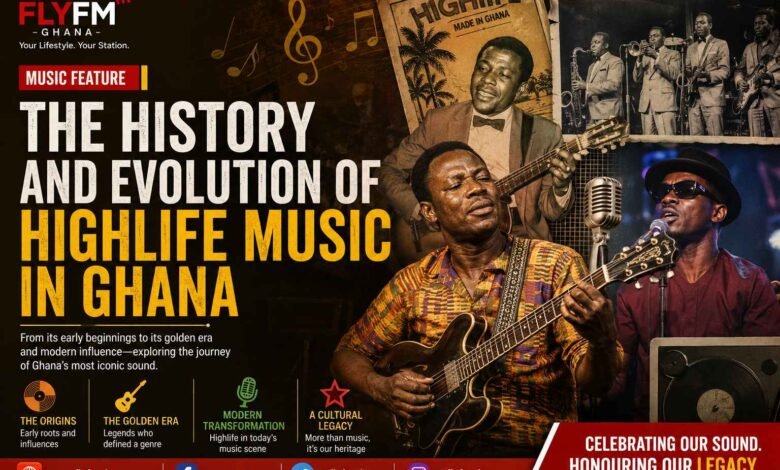

The History and Evolution of Highlife Music in Ghana.
Explore the origins of Highlife music in Ghana, its cultural significance, legendary artists, and how the genre continues to inspire modern African music.
Highlife music is one of Ghana’s greatest cultural treasures. Known for its rich melodies, vibrant rhythms, and meaningful lyrics, the genre has entertained generations while telling the stories of everyday life. Although musical styles have evolved over the years, Highlife remains a powerful symbol of Ghanaian identity and continues to influence artists across Africa and beyond.
Today, Highlife is heard at weddings, festivals, family gatherings, and national celebrations. Its timeless appeal has allowed it to adapt to changing musical trends while preserving its unique cultural roots.
The Origins of Highlife Music
Highlife emerged in the early 20th century along Ghana’s coastal towns, where local rhythms blended with Western musical influences introduced through military bands, missionaries, and sailors. Musicians combined traditional instruments and storytelling with brass bands, guitars, and pianos to create a fresh and exciting sound.
Initially, the music was associated with social gatherings attended by the educated elite, leading many people to describe it as music enjoyed by those living the “high life.” Over time, the style became popular among people from all walks of life.
Traditional Influences
Long before Highlife became a recognized genre, Ghanaian communities used music during festivals, ceremonies, and important social events. Traditional drumming, singing, and dancing formed the foundation upon which Highlife developed.
Different ethnic groups contributed unique rhythms and musical traditions, making Highlife a reflection of Ghana’s rich cultural diversity.
The Golden Era of Highlife
The 1950s through the 1970s are widely regarded as the golden age of Highlife music. During this period, live bands became popular throughout the country, performing in clubs, community centers, and major events.
The music often addressed themes such as:
- Love and relationships
- Respect for family
- Community values
- Hard work
- Hope and perseverance
- Social change
These relatable messages helped Highlife connect with audiences across generations.
READ ALSO: How Online Radio Is Transforming Entertainment in Ghana
Legendary Highlife Musicians
Many talented musicians helped shape the success of Highlife and introduced Ghanaian music to international audiences. Their creativity, songwriting, and stage performances inspired future generations of artists.
These pioneers demonstrated that local music could compete on the global stage while maintaining its authentic Ghanaian identity. Their contributions continue to influence today’s performers.
The Rise of Guitar Highlife
As guitars became more widely available, musicians developed a style known as Guitar Highlife. The guitar took center stage, creating smooth melodies that complemented traditional rhythms.
This approach made performances more flexible, allowing smaller bands and solo artists to perform in communities across the country.
Many of today’s guitar techniques in Ghanaian popular music can trace their roots back to this important period.
Highlife’s Influence on Modern Music
Modern Ghanaian music genres, including Hiplife, Afrobeats, Afro Fusion, and contemporary gospel music, have all borrowed elements from Highlife.
Many artists combine traditional Highlife melodies with modern production techniques, creating music that appeals to younger audiences while honoring Ghana’s musical heritage.
This blending of styles has introduced Highlife to listeners who may never have experienced the original recordings.
Highlife Beyond Ghana
Although Highlife originated in Ghana, its influence spread across West Africa and other parts of the world. Musicians from neighboring countries embraced the style, adding their own cultural elements and helping expand its popularity.
Today, Ghanaian communities living abroad continue to celebrate Highlife during cultural festivals and family events, ensuring that the genre remains an important connection to home.
Challenges Facing the Genre
Like many traditional music styles, Highlife faces competition from rapidly changing global trends. Younger audiences often consume music through digital streaming platforms where international genres dominate playlists.
However, many musicians, cultural organizations, and broadcasters continue to promote Highlife through live performances, educational programs, documentaries, and digital media.
These efforts are helping preserve the genre for future generations.
The Future of Highlife
Technology has created new opportunities for Highlife music to reach wider audiences. Streaming services, social media, podcasts, and online radio stations allow both classic recordings and new releases to be discovered by listeners around the world.
Young musicians are increasingly experimenting with modern arrangements while keeping the traditional spirit of Highlife alive.
As interest in African music continues to grow internationally, Highlife is well positioned to gain even greater global recognition.
Conclusion
Highlife music is more than entertainment—it is an important part of Ghana’s cultural identity. Its rich history, memorable melodies, and meaningful storytelling have inspired generations of musicians and listeners alike.
By celebrating its heritage while embracing innovation, Highlife continues to evolve without losing the qualities that made it one of Africa’s most influential musical genres. Whether enjoyed through live performances, online radio, or digital streaming, Highlife remains a timeless expression of Ghanaian creativity and pride.
FOLLOW US ON FACEBOOK