
Accra, November 9, 2026 — Government is procuring 100 new ambulances, President John Dramani Mahama has announced, placing emergency medical transport back at the centre of the national healthcare conversation. The announcement raises important questions about how the vehicles will be distributed, maintained and integrated into Ghana’s emergency response system.
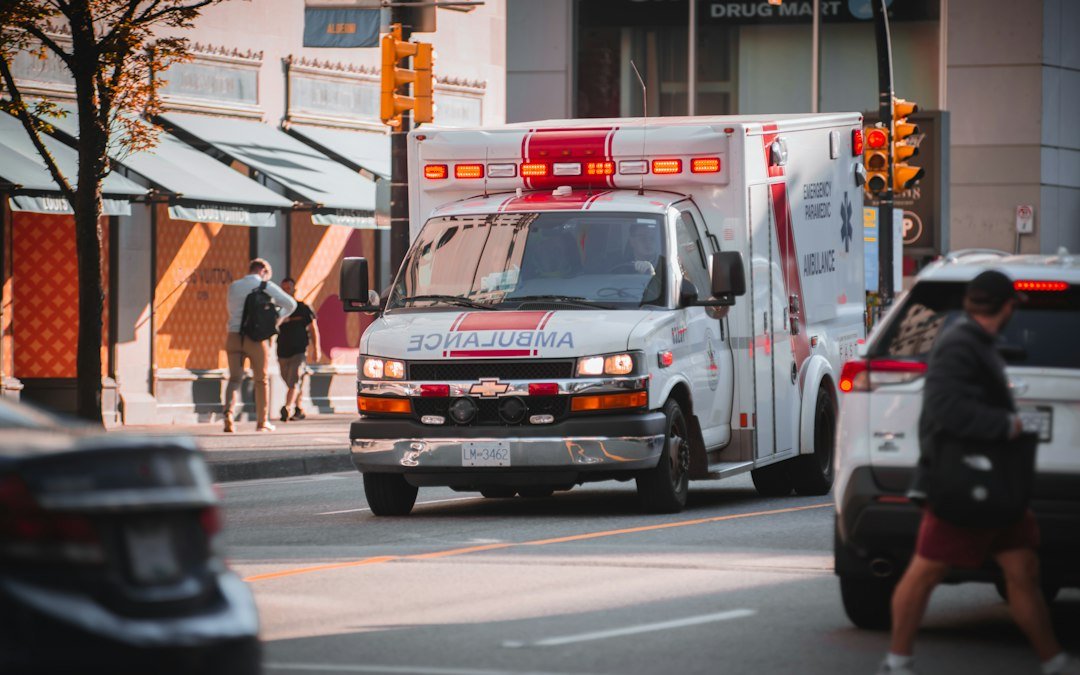
The procurement announcement is significant because an ambulance is not simply a vehicle. It is a mobile link between a person experiencing a medical emergency and the health facility capable of providing treatment. Its value depends on whether it can be reached quickly, whether trained personnel are available, whether essential equipment works and whether a receiving facility is prepared to continue care.
Why ambulance availability matters
Emergencies can occur in urban neighbourhoods, rural communities, along highways, at workplaces and in homes. In each setting, the time between the first call for help and arrival at a capable health facility can influence the options available to medical teams. Ambulances help bridge that gap by transporting patients while allowing appropriate first response and monitoring during the journey.
For communities outside major cities, distance can make emergency transport especially challenging. A vehicle based far from a community may take too long to arrive. Poor road conditions, traffic congestion, fuel availability and communication difficulties can also affect response times. Increasing the national fleet could help, but the benefit will depend on a transparent deployment plan that considers population, travel distances, road networks and existing service coverage.
Distribution must follow need
Ghana’s regions and districts have different population sizes and geographic conditions. A fair allocation process should therefore consider more than the number of districts. Authorities can assess emergency call volumes, road accident patterns, distance to hospitals, referral activity and the number of functioning ambulances already serving each area.
Rural and peri-urban communities should not be overlooked simply because their populations are smaller. A district with long travel distances may require a different level of coverage from a densely populated urban district. Publishing the allocation criteria and the locations assigned to the new vehicles would help the public understand how the procurement is intended to improve access.
Maintenance is as important as procurement
Buying vehicles is only the first stage. Ambulances require routine servicing, replacement parts, tyres, fuel, insurance, communications equipment and trained drivers. Medical equipment inside the vehicle also needs inspection and calibration. If a vehicle is out of service for long periods, the public receives little benefit from its original purchase.
A maintenance programme should include scheduled inspections, a reliable supply chain for spare parts and a clear process for reporting faults. Fleet managers should monitor vehicle availability and the time taken to return an ambulance to service after repairs. These indicators can reveal whether the fleet is being managed effectively.
People and coordination make the system work
Ambulance services depend on trained personnel as well as vehicles. Drivers need emergency driving skills, while clinical staff must be prepared to assess patients, provide appropriate pre-hospital support and communicate with receiving facilities. Dispatch centres also need accurate location information and reliable communication channels to identify the nearest available unit.
Coordination between ambulance teams, hospitals, the National Ambulance Service, emergency call centres, police and fire services can reduce confusion during major incidents. A vehicle arriving at a hospital that cannot receive the patient may create further delays. Clear referral protocols and real-time communication are therefore essential.
What the public should look for next
The announcement should be followed by details on procurement timelines, the number of vehicles expected in each phase, funding arrangements, equipment specifications and the districts that will benefit. Public reporting should distinguish between vehicles ordered, delivered, commissioned and actively responding to emergencies. Those are different stages and should not be treated as interchangeable.
Authorities can also publish performance indicators such as average response times, vehicle availability, completed emergency transfers and service coverage by district. Such information would allow Parliament, civil society and citizens to assess whether the investment is improving emergency access.
A wider opportunity to strengthen emergency care
The new ambulances can support a broader improvement in emergency healthcare if procurement is matched with trained staff, functioning equipment, dependable dispatch systems and better coordination with hospitals. The public should expect not only a larger fleet but a service that is accessible, accountable and ready when emergencies occur.
For communities, the central test will be practical: can a person in need reach emergency care faster and more safely? The answer will depend on how effectively the announced vehicles are delivered and managed after procurement.
Image note: The accompanying image is illustrative and is not a photograph of the government’s procurement or a Ghanaian ambulance deployment.
Source: Graphic Online — Ghana news headlines, November 9, 2026. Further official updates: Ministry of Health and Government of Ghana.