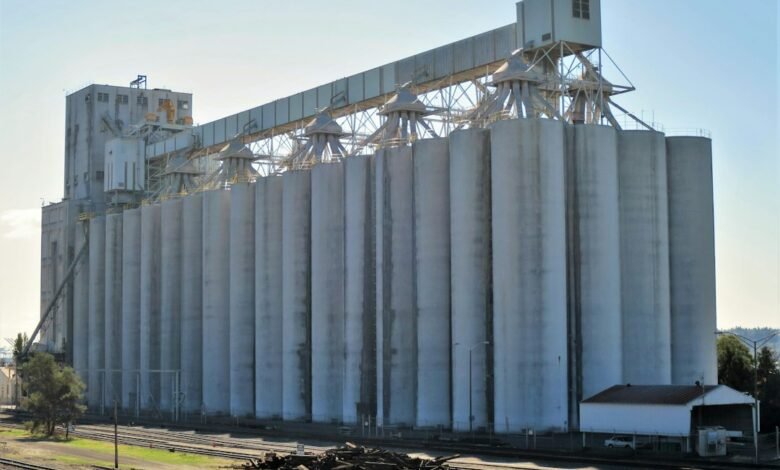
A proposed 21,000-tonne grain storage facility in Wa is drawing attention to the role of storage infrastructure in Ghana’s food security plans. The Ministry of Food and Agriculture has signed a memorandum of understanding connected to the project, which is intended to improve the way harvested grains are stored and managed in the north of the country.
Why storage capacity is important
Farmers can lose part of their harvest when grain is exposed to moisture, pests, poor handling or unsuitable storage conditions. These losses reduce the quantity available for sale and consumption, and they can affect the income farmers receive after months of work. Better storage can help preserve quality, extend the period during which produce remains usable and reduce pressure to sell immediately after harvest.
A facility with a planned capacity of 21,000 tonnes would represent a significant piece of infrastructure for the area. Its practical value, however, will depend on how it is designed, operated and connected to farmers, aggregators, transporters and buyers.
Potential benefits for farmers and traders
Reliable storage can give farmers and cooperatives more options when planning sales. Instead of rushing produce to market because there is nowhere safe to keep it, they may be able to store properly dried grain and negotiate sales at a more suitable time. Traders and food processors can also benefit from more dependable supplies and improved quality control.
For the project to work well, access rules and storage charges should be transparent. Smallholder farmers need to understand the cost of using the facility, the quality standards required and the procedures for collecting their produce. Clear weighing, grading and record-keeping systems can help prevent disputes.
Infrastructure must be matched with good management
Building a warehouse is only one part of the solution. Grain storage requires moisture monitoring, pest control, ventilation, cleaning, security and trained staff. Operators also need maintenance budgets and reliable systems for tracking stock. Without these measures, a large facility can lose effectiveness even when its physical structure is complete.
Transport links are equally important. Farmers in surrounding communities must be able to move their harvest to the facility at reasonable cost. The project will have greater impact if it is coordinated with feeder-road improvements, extension services and market information that helps producers make informed decisions.
What communities should watch
Residents, farmer groups and local businesses will want clear information about the construction schedule, funding arrangements, operating model and expected opening date. They should also look for evidence that women farmers, youth-led agribusinesses and smaller producers can access the service.
Food security depends on the entire chain from production to storage, processing and distribution. The proposed Wa facility could become a useful part of that system if the project moves from an agreement to a well-managed service that meets farmers’ needs.
FLY FM Ghana will continue following agricultural developments and the policies shaping livelihoods and food supply across the country.
Source
Angel Online – reporting on the proposed grain storage agreement.