Healthy Eating on a Budget: Practical Nutrition Tips for Ghanaian Families
Healthy Eating on a Budget: Practical Nutrition Tips for Ghanaian Families

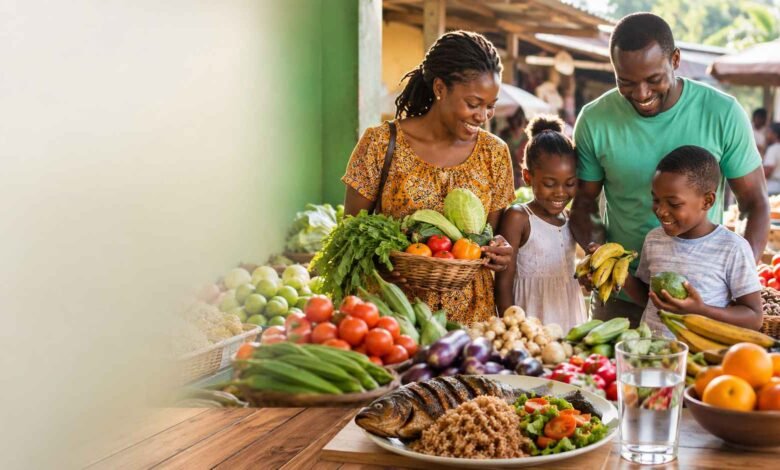
Healthy Eating on a Budget: Practical Nutrition Tips for Ghanaian Families.
Eating healthy does not always require expensive foods or imported products. In Ghana, many affordable local foods provide the nutrients the body needs to stay healthy and reduce the risk of chronic diseases. With proper planning and smart shopping, families can enjoy balanced meals while staying within their budget.
READ MORE: The Importance of Drinking Enough Water Every Day for Better Health
Nutrition experts encourage households to focus on variety, portion control and locally available ingredients instead of processed foods. Making healthier food choices can improve energy levels, strengthen the immune system and support overall well-being.
Why Healthy Eating Matters
A balanced diet provides the body with vitamins, minerals, protein, carbohydrates and healthy fats needed for daily activities.
Good nutrition can help:
- Maintain a healthy weight.
- Support children’s growth and development.
- Reduce the risk of diabetes and high blood pressure.
- Improve heart health.
- Strengthen the immune system.
- Increase energy and productivity.
Developing healthy eating habits early in life can also reduce future health problems.
Choose Affordable Local Foods
Many nutritious foods grown in Ghana are both affordable and widely available.
These include:
- Plantain
- Yam
- Cocoyam
- Brown rice
- Beans
- Garden eggs
- Tomatoes
- Okra
- Kontomire
- Cabbage
- Oranges
- Mangoes
- Groundnuts
- Fresh fish
Buying seasonal produce often costs less while providing excellent nutritional value.
Plan Your Meals
Creating a weekly meal plan helps reduce unnecessary spending and food waste.
Before shopping:
- Make a grocery list.
- Check what you already have at home.
- Buy only what you need.
- Prepare meals in advance where possible.
Planning meals also helps families maintain a balanced diet throughout the week.
Eat More Fruits and Vegetables
Health experts recommend eating a variety of fruits and vegetables every day.
These foods contain fibre, vitamins and antioxidants that support good health.
Instead of sugary snacks, consider choosing fruits such as bananas, oranges, watermelon or pawpaw as healthier alternatives.
Reduce Processed Foods
Highly processed foods often contain excessive amounts of salt, sugar and unhealthy fats.
Examples include:
- Sugary soft drinks.
- Packaged snacks.
- Instant noodles.
- Processed meats.
Reducing these foods may lower the risk of obesity, heart disease and type 2 diabetes.
Drink More Water
Water is essential for digestion, circulation and temperature regulation.
Choosing water instead of sugary drinks can reduce calorie intake while helping the body function properly.
Keeping a reusable water bottle can encourage regular hydration throughout the day.
Cook More Meals at Home
Preparing meals at home allows families to control ingredients, reduce unhealthy fats and save money.
Home-cooked meals are often healthier than fast food because they contain fewer preservatives and excessive seasonings.
Cooking together can also become an enjoyable family activity.
Watch Portion Sizes
Eating more food than the body needs may contribute to weight gain.
Using smaller plates, eating slowly and paying attention to hunger signals can help prevent overeating.
Balanced portions should include carbohydrates, vegetables and protein.
Stay Physically Active
Healthy eating works best when combined with regular physical activity.
Walking, cycling, jogging or participating in sports can improve heart health and maintain a healthy weight.
Adults should aim for at least 150 minutes of moderate physical activity each week.
Looking Ahead
As food prices continue to change, making informed choices can help families protect both their health and finances.
By choosing affordable local foods and preparing balanced meals at home, households can enjoy nutritious diets without spending beyond their means.
Nutrition education will continue to play an important role in improving public health across Ghana.
Conclusion
Healthy eating does not have to be expensive. With careful planning, smart shopping and the use of nutritious local foods, Ghanaian families can enjoy balanced diets while managing household budgets.
Small daily changes—such as drinking more water, eating more fruits and vegetables, and reducing processed foods—can make a significant difference to long-term health.
FOLLOW US ON FACEBOOK