Hamile Curfew Lifted: FOSDA Calls for Accountability and Lasting Peace in Ghana’s Upper West Region

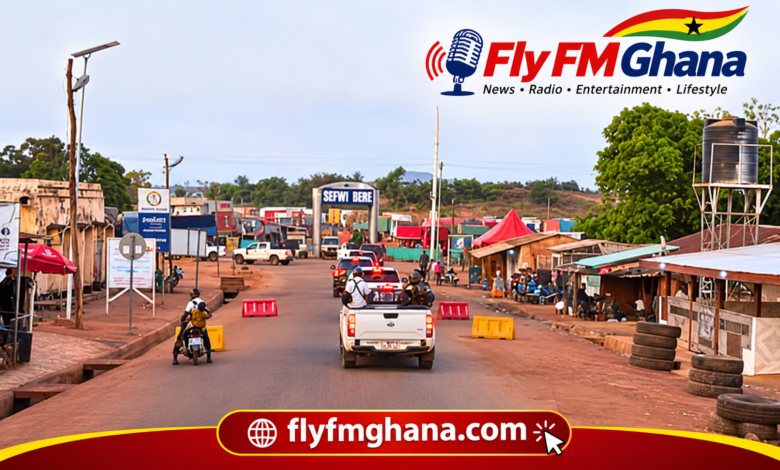
Hamile Curfew Lifted: FOSDA Calls for Accountability and Lasting Peace in Ghana’s Upper West Region
Residents of Hamile in Ghana’s Upper West Region have received an important development following the government’s decision to lift the curfew imposed on the border community after a deadly explosion and subsequent security disturbances.
The Foundation for Security and Development in Africa (FOSDA) has welcomed the decision, describing it as an important step towards restoring normal social and economic activities. However, the organisation says lifting the restrictions must be accompanied by transparent investigations, accountability and sustained engagement between residents and security agencies.
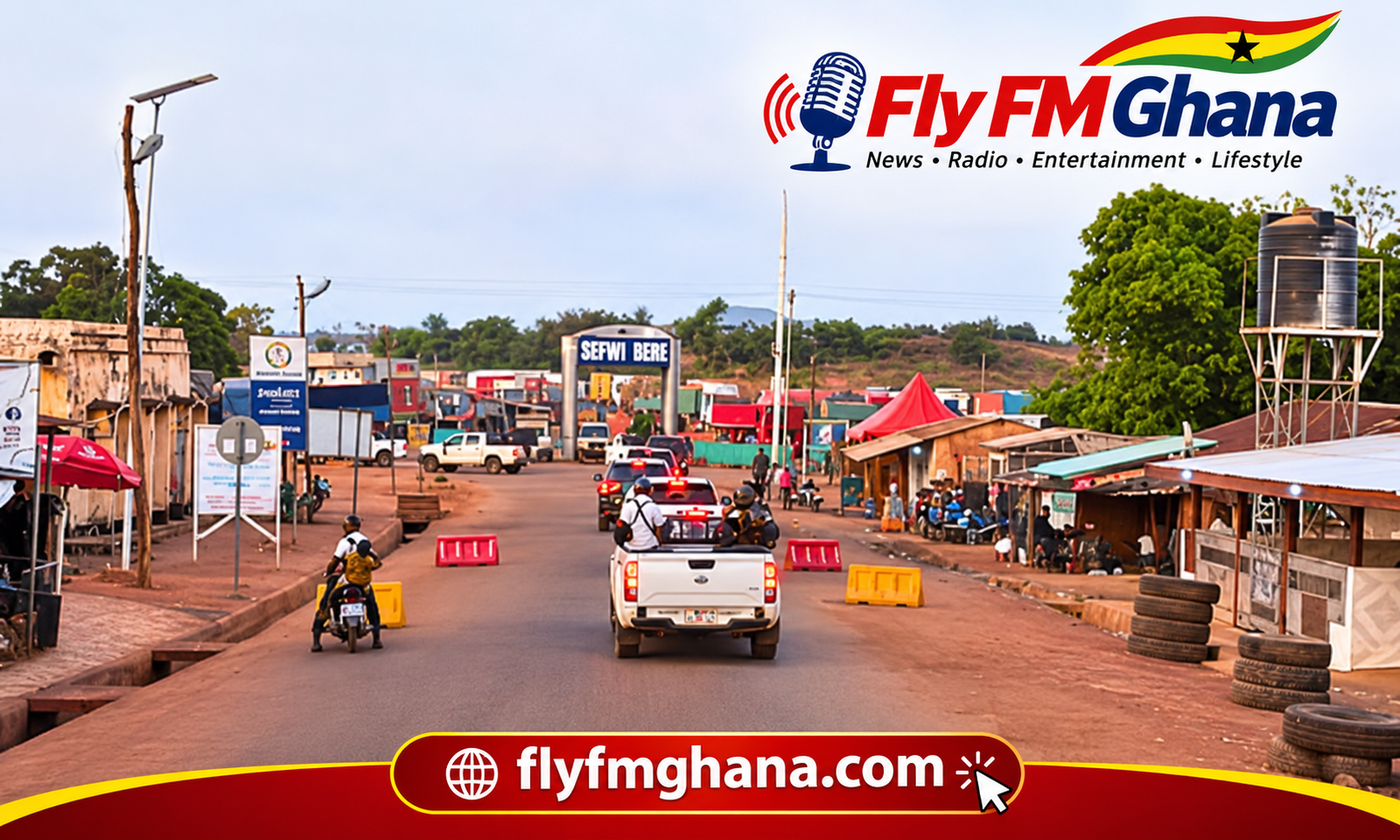
The development has renewed attention on the security situation in Hamile, a community in the Lambussie District whose economic activities are closely connected to cross-border movement and trade.
Why the Hamile curfew was imposed
The restrictions followed an explosion on November 3, 2026, during a Ghana Immigration Service border patrol operation in the Hamile area.
The incident claimed three lives, including an immigration officer and two civilians. Another immigration officer was injured.
The incident was followed by disturbances involving residents and security personnel, prompting the Ministry of the Interior to introduce restrictions on movement.
The initial curfew operated from 6 p.m. to 5 a.m. daily. Authorities subsequently reviewed the hours to 10 p.m. to 4 a.m. before lifting the curfew on November 9 following an improvement in the security situation.
Although the curfew has been lifted, the government has maintained a ban on the possession and carrying of firearms, ammunition and other offensive weapons within Hamile and its surrounding communities.
The Ministry of the Interior has warned that anyone found carrying prohibited weapons will be arrested and prosecuted.
FOSDA highlights the economic impact on residents.
FOSDA’s November 18 statement drew attention to the economic consequences of the restrictions.
The organisation noted that women traders, transport operators, shop owners and small-scale business operators were among those affected because their livelihoods depend on movement and cross-border commercial activity.
For communities located near international borders, restrictions on movement can affect several connected economic activities.
Transport operators depend on the movement of passengers and goods. Traders need access to suppliers, customers and markets. Small retailers rely on regular deliveries and customers to maintain daily sales.
When movement becomes restricted, the consequences can extend beyond the immediate border area, affecting household incomes and the availability of goods.
Why the lifting of the curfew is not the end of the matter
While welcoming the decision, FOSDA has emphasised that the underlying issues surrounding the November 3 incident must still be addressed.
The organisation wants a thorough, impartial and transparent investigation into the explosion and subsequent confrontation.
It has called for investigators to establish the circumstances surrounding the movement and possession of explosives, the events leading to the explosion, and the reported use of firearms during the disturbances.
FOSDA also wants findings communicated publicly and appropriate accountability measures taken wherever wrongdoing is established.
These issues matter because restoring normal movement does not automatically resolve tensions between a community and security personnel.
A credible investigation can help establish the facts, address unanswered questions and rebuild public confidence.
The importance of cooperation between residents and security agencies
FOSDA has encouraged residents, particularly young people, to cooperate with security agencies, exercise restraint and avoid actions that could reignite tensions.
The organisation has also called on security personnel to engage residents professionally and respect their rights and dignity.
Community-based security arrangements can play an important role in preventing future incidents.
Traditional leaders, youth representatives, local businesses, transport operators and security agencies all have a part to play in maintaining communication and identifying potential sources of tension before they escalate.
What the development means for Hamile’s businesses
The lifting of the curfew provides an opportunity for affected businesses to resume normal activities without the previous nighttime movement restriction.
However, the recovery of local commercial activity will also depend on public confidence, the functioning of border operations and cooperation among relevant institutions.
Traders need predictable operating conditions. Transport operators need clarity about movement arrangements. Shop owners need customers to feel comfortable returning to normal routines.
Government agencies should therefore continue engaging community representatives and provide clear information about security measures that remain in force.
Conclusion
The lifting of the Hamile curfew is an important development for residents and businesses in the Upper West Region.
Nevertheless, FOSDA’s call for transparent investigations demonstrates that lasting peace requires more than removing movement restrictions.
The circumstances surrounding the November 3 explosion and subsequent disturbances must be properly investigated, while community engagement and accountability remain essential.
For Hamile, the priority should now be restoring confidence, supporting local livelihoods and preventing a recurrence of the incidents that disrupted the community.
What measures do you think would help rebuild trust between residents and security agencies in Hamile?
External links: Ministry of the Interior – Curfew lifted