Why Every Ghanaian Should Build an Emergency Savings Fund
Why Every Ghanaian Should Build an Emergency Savings Fund

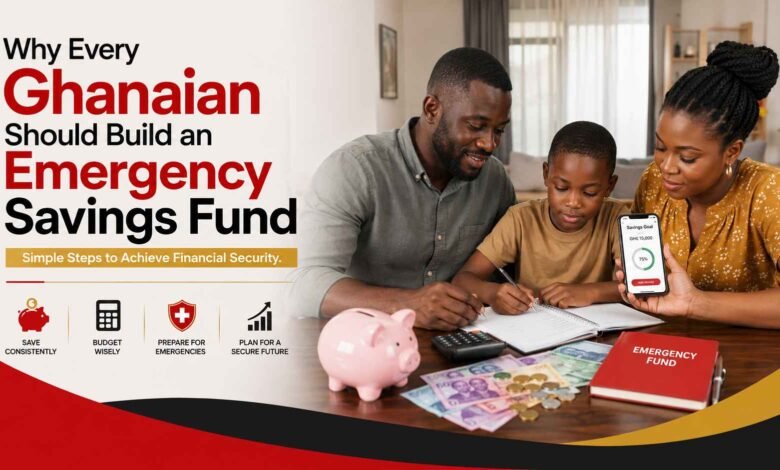

Why Every Ghanaian Should Build an Emergency Savings Fund.
Unexpected expenses can happen at any time. A medical emergency, car repair, loss of income or urgent family responsibility can place significant pressure on personal finances. An emergency savings fund provides a financial cushion that helps people manage these situations without relying entirely on loans or borrowing from friends and relatives.
Regardless of income level, building a savings habit can improve financial stability over time.
READ ALSO: How Small Businesses in Ghana Can Use Social Media to Attract Customers
What Is an Emergency Fund?
An emergency fund is money set aside specifically for unexpected expenses. It is different from money saved for vacations, celebrations or planned purchases.
The purpose is to cover genuine emergencies while allowing everyday finances to remain stable.
Why It Is Important
1. Reduces Financial Stress
Knowing that money is available for unexpected situations can reduce anxiety and help families make better financial decisions.
2. Prevents Unnecessary Debt
Without savings, many people are forced to borrow money during emergencies. Having an emergency fund can reduce dependence on high-interest loans.
3. Provides Peace of Mind
Unexpected events become easier to manage when there is money available to cover immediate needs.
4. Protects Long-Term Goals
Instead of using money saved for education, business or housing, an emergency fund allows those long-term goals to remain on track.
How Much Should You Save?
Financial experts often recommend building savings equal to three to six months of essential living expenses.
If that seems difficult, start with a smaller goal such as:
- GH₵500
- GH₵1,000
- One month’s essential expenses
The important thing is to begin.
Practical Ways to Build Your Savings
Save Regularly
Set aside a fixed amount every week or month, even if it is small.
Separate Your Savings
Keep emergency savings in a separate account or mobile money wallet to reduce the temptation to spend it.
Reduce Unnecessary Spending
Review monthly expenses and identify small purchases that can be reduced. The savings can be redirected into your emergency fund.
Increase Your Income
A side hustle or freelance work can provide additional income that helps grow your savings more quickly.
When Should You Use the Fund?
An emergency fund should only be used for genuine emergencies, such as:
- Medical expenses
- Urgent home repairs
- Essential vehicle repairs
- Temporary loss of income
- Unexpected family emergencies
Routine shopping or entertainment should not come from emergency savings.
Ending
Building an emergency savings fund is one of the most practical financial habits anyone can develop. It does not require a high income to begin—only consistency and discipline.
Starting with small, regular contributions today can provide greater financial security and confidence when unexpected challenges arise tomorrow.
FOLLOW US ON FACEBOOK