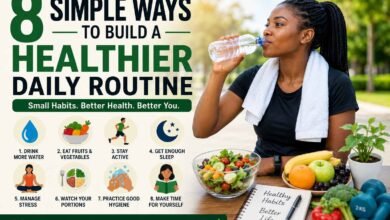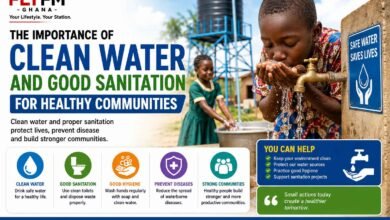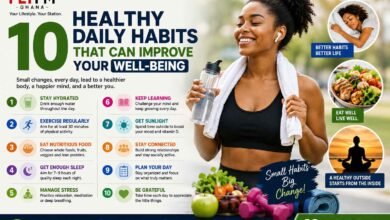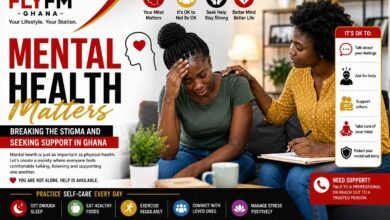
Healthy living in Ghana does not require an expensive lifestyle or a perfect daily routine. For many people, better health begins with practical habits that can be maintained over time. Food choices, physical activity, sleep, hydration, stress management and preventive healthcare all contribute to everyday wellbeing.
Health advice should also recognise that people have different needs. Age, medical history, work schedules, income, access to food and access to healthcare can all influence what is realistic. The goal is to build sustainable habits and seek professional advice when a health concern requires individual assessment.
What Does Healthy Living Mean?
Healthy living is broader than avoiding illness. It includes habits that support physical health, mental wellbeing, energy and the ability to participate in everyday activities. It is better understood as a long-term pattern than as a short challenge or restrictive diet.
Choose a Balanced Pattern of Eating
Ghanaian meals can fit into a balanced eating pattern when portions and ingredients are considered. Meals may include staples such as rice, yam, plantain, banku, kenkey or fufu alongside vegetables, beans, fish, eggs or other protein foods.
Instead of focusing on one food as automatically good or bad, people can look at the overall meal. Adding vegetables, choosing appropriate portions and limiting excessive amounts of added sugar, salt and highly processed foods can support a more balanced routine.
Be Careful With Sugary Drinks
Sweetened drinks can contribute significant amounts of added sugar without creating the same sense of fullness as a complete meal. Water can be a practical everyday choice, while unsweetened drinks may also fit into many diets.
People who have a medical condition affected by diet should follow advice from their healthcare professional rather than changing medication or treatment based on general online information.
Move More During the Day
Physical activity does not have to mean an expensive gym membership. Walking, household activities, active transport, dancing, sports and structured exercise can all contribute to movement.
People who have been inactive for a long time can start gradually. Anyone with symptoms, a chronic medical condition or concerns about starting exercise should discuss an appropriate activity level with a qualified healthcare professional.
Make Sleep a Priority
Sleep affects concentration, mood and daily performance. Adults often benefit from a consistent sleep schedule and a bedroom environment that is comfortable, quiet and suitable for rest.
Late-night screen use, irregular schedules and excessive caffeine can make sleep more difficult for some people. Small changes, such as keeping a consistent bedtime and reducing stimulating activities before bed, may help.
Stay Hydrated
Ghana’s warm climate can make hydration especially relevant during physical activity and hot weather. Drinking water regularly is a simple habit, while people who perform prolonged intense exercise or have medical conditions affecting fluid balance may need individual guidance.
Pay Attention to Preventive Healthcare
Preventive care can identify certain health problems before they become more serious. Routine check-ups, appropriate screening and vaccinations can form part of a person’s healthcare plan depending on age, sex, risk factors and local medical guidance.
People should not ignore persistent symptoms simply because they feel manageable. A healthcare professional can assess symptoms in context and determine whether testing or treatment is needed.
Manage Stress in Practical Ways
Stress can affect sleep, concentration and everyday routines. Practical strategies can include regular movement, social connection, time outdoors, structured routines, relaxation exercises and seeking professional support when stress becomes difficult to manage.
There is no single method that works for everyone. The important point is to recognise when stress is interfering with daily life and to seek appropriate help.
Create Habits That Fit Your Real Life
Healthy habits are more likely to last when they fit a person’s schedule and resources. Someone with a busy workday may choose a short walk instead of planning an unrealistic exercise routine. A family may plan simple meals in advance rather than attempting a complicated diet.
Tracking a few habits can help people notice patterns. For example, recording sleep times, physical activity and meal routines for several weeks may show where small improvements are possible.
Be Careful With Health Claims Online
Online health information should be evaluated carefully. Claims that a single herb, drink, supplement or food can prevent or cure serious diseases should not automatically be accepted. Reliable health information should identify evidence and recognise limitations.
People should also avoid stopping prescribed medicines or replacing medical treatment with unverified remedies. Individual treatment decisions should be made with qualified healthcare professionals.
Frequently Asked Questions
What is a simple first step toward healthy living?
A practical first step is to choose one sustainable habit, such as drinking more water, adding vegetables to meals or walking regularly, and then build from there.
Can Ghanaian traditional foods be part of healthy eating?
Yes. Traditional foods can fit into a balanced pattern when portions, preparation methods and the overall meal are considered.
How much exercise should a person do?
Exercise needs vary by age and health status. Adults are generally encouraged to get regular physical activity, but people with health concerns should seek individual guidance from a healthcare professional.
Why is sleep important?
Sleep supports concentration, mood, recovery and everyday functioning. Consistent sleep routines can help many people maintain better rest.
Should online health advice replace a doctor?
No. General articles can provide education, but they cannot diagnose an individual or replace professional medical assessment.
Conclusion
Healthy living in Ghana can be approached through practical, repeatable habits rather than extreme changes. Balanced meals, regular movement, sufficient sleep, hydration, preventive care and careful evaluation of health information can form a strong foundation. When a person has persistent symptoms or a medical condition, professional healthcare advice should take priority.
This article is for general educational purposes and is not a substitute for personalised medical advice. For more Ghana-focused lifestyle and health information, visit FLY FM GHANA.