Petrol and Diesel Prices Increase in Ghana: What Is Behind the Latest Fuel Hike?
Petrol and Diesel Prices Increase in Ghana: What Is Behind the Latest Fuel Hike?

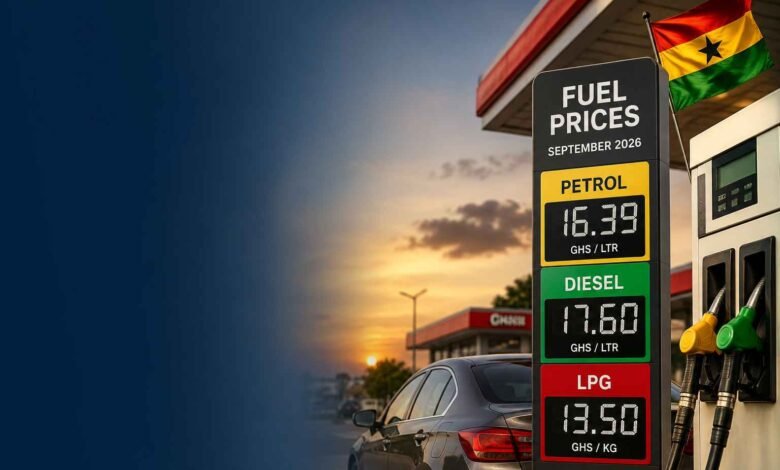
Petrol and Diesel Prices Increase in Ghana: What Is Behind the Latest Fuel Hike?.
Ghanaians are expected to pay more at the fuel pumps following the latest adjustment in petroleum prices for the first pricing window of September 2026. Several Oil Marketing Companies (OMCs) have revised their pump prices upward after increases in international crude oil prices and refined petroleum products.
READ MORE: Why Local News Matters to Communities Across Ghana
Although the Ghana cedi has shown signs of strengthening against major foreign currencies in recent weeks, the rise in global fuel prices has had a greater impact on local petroleum pricing. As a result, motorists and businesses that depend on fuel are likely to experience higher operating costs.
Why Are Fuel Prices Increasing?
Fuel prices in Ghana are influenced by several key factors. One of the biggest drivers is the international price of crude oil. When crude oil becomes more expensive on the global market, the cost of importing refined petroleum products also increases.
Other factors that affect local fuel prices include:
- Exchange rate fluctuations between the Ghana cedi and the US dollar.
- International freight and shipping costs.
- Taxes and levies imposed on petroleum products.
- Distribution and operational costs for Oil Marketing Companies.
- Global demand and supply conditions.
Even when the cedi performs well, significant increases in international petroleum prices can still lead to higher prices at the pump.
How Much Are Prices Expected to Increase?
Industry projections indicate that petrol prices could increase by nearly 5 percent, while diesel prices may rise by about 2 percent during the latest pricing window.
The exact amount motorists pay will depend on the pricing strategy of each Oil Marketing Company. This means prices may differ slightly from one filling station to another.
What Does This Mean for Consumers?
Higher fuel prices affect more than just vehicle owners. Since transportation plays a major role in moving goods across the country, increased fuel costs often have a ripple effect throughout the economy.
Consumers may notice:
- Higher transportation expenses.
- Increased prices for food and other essential goods.
- Rising delivery and logistics charges.
- Higher operating costs for businesses that rely on generators and transportation.
Commercial drivers may also experience reduced profit margins if transport fares remain unchanged while fuel costs continue to rise.
Could Transport Fares Increase?
Transport operators have expressed concern about the continuous rise in fuel prices. While no nationwide fare adjustment has been officially announced, transport unions are closely monitoring the situation.
Any future increase in transport fares would normally depend on consultations between transport operators and the appropriate government authorities.
Tips for Saving Fuel
As fuel prices continue to fluctuate, motorists can reduce their fuel consumption by adopting simple driving habits.
Some practical fuel-saving tips include:
- Maintain the correct tyre pressure.
- Avoid excessive speeding and sudden acceleration.
- Reduce unnecessary engine idling.
- Service your vehicle regularly.
- Combine multiple errands into a single trip.
- Remove unnecessary weight from your vehicle.
These habits can improve fuel efficiency and help lower overall fuel expenses.
What Experts Are Watching
Energy analysts will continue to monitor developments in the international oil market over the coming weeks. Global crude oil production, geopolitical events, shipping costs, and exchange rate movements will all influence the next fuel pricing window in Ghana.
If international oil prices stabilize or decline while the cedi remains strong, motorists could see some relief in future pricing windows. However, continued increases in global energy prices may result in further adjustments at the pump.
Final Thoughts
Fuel prices remain one of the most important economic indicators in Ghana because they affect transportation, businesses, and household budgets. While the latest increase may place additional pressure on consumers, understanding the factors behind fuel pricing can help individuals and businesses plan more effectively.
Motorists are encouraged to compare prices across different filling stations, practice fuel-efficient driving habits, and stay informed about future pricing announcements.
FOLLOW US ON FACEBOOK