Mental Health Matters: Breaking the Stigma and Seeking Support in Ghana
Mental Health Matters: Breaking the Stigma and Seeking Support in Ghana

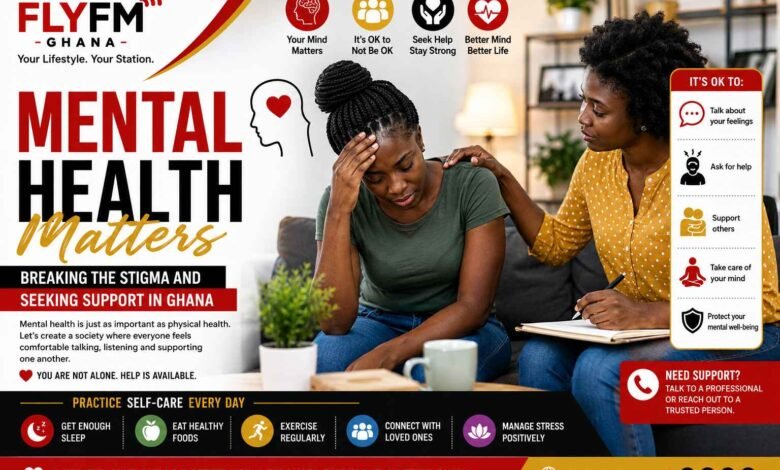

Mental Health Matters: Breaking the Stigma and Seeking Support in Ghana.
Mental health is an essential part of overall well-being, yet it is often overlooked. It influences how we think, feel and behave, affecting our relationships, work, education and daily decision-making. Just as people care for their physical health, taking care of mental health is equally important.
In Ghana, awareness of mental health has grown in recent years. However, stigma and misconceptions still prevent many people from seeking help when they need it. By encouraging open conversations and promoting understanding, communities can help create an environment where people feel safe asking for support.
READ ALSO: 8 Everyday Foods That Can Help Strengthen Your Immune System
What Is Mental Health?
Mental health refers to a person’s emotional, psychological and social well-being. It affects how individuals handle stress, relate to others and make decisions.
Everyone experiences emotional ups and downs. Feeling stressed, anxious or sad occasionally is a normal part of life. However, when these feelings become persistent or interfere with daily activities, professional support may be beneficial.
Why Mental Health Is Important
Good mental health can help people:
- Cope with life’s challenges.
- Build healthy relationships.
- Perform well at work or school.
- Make informed decisions.
- Enjoy a better quality of life.
- Support physical health and overall wellness.
Mental well-being contributes to healthier families, stronger communities and improved productivity.
Common Factors That Can Affect Mental Health
Many situations can influence emotional well-being, including:
- Financial difficulties.
- Job-related stress.
- Family conflicts.
- Academic pressure.
- Grief and loss.
- Serious illness.
- Social isolation.
- Traumatic experiences.
Not everyone responds to these challenges in the same way, and seeking support is a healthy step—not a sign of weakness.
Warning Signs to Watch For
Some signs that a person may benefit from professional support include:
- Feeling persistently sad or hopeless.
- Constant worry or excessive anxiety.
- Difficulty sleeping for an extended period.
- Loss of interest in enjoyable activities.
- Trouble concentrating.
- Significant changes in appetite or weight.
- Feeling overwhelmed by daily responsibilities.
- Withdrawing from family and friends.
Experiencing one or more of these symptoms does not necessarily mean someone has a mental health condition, but they are good reasons to consult a qualified healthcare professional.
Practical Ways to Support Your Mental Well-Being
1. Stay Connected
Maintain regular contact with trusted family members and friends. Strong social support can help reduce stress and feelings of loneliness.
2. Get Enough Sleep
Quality sleep is essential for emotional and physical health. Most adults benefit from 7–9 hours of sleep each night.
3. Exercise Regularly
Physical activity can improve mood and reduce stress. Even a daily walk can have positive effects.
4. Eat a Balanced Diet
Nutritious meals provide the body and brain with the energy needed to function well.
5. Manage Stress
Practice healthy stress-management techniques such as deep breathing, prayer or meditation, journaling or spending time outdoors.
6. Limit Alcohol and Avoid Drug Misuse
Excessive alcohol consumption and recreational drug use can negatively affect mental health.
Breaking the Stigma
One of the biggest barriers to mental healthcare is stigma. Some people fear being judged if they admit they are struggling emotionally.
Communities can help reduce stigma by:
- Encouraging respectful conversations.
- Supporting friends and relatives without judgment.
- Learning more about mental health.
- Promoting compassion and understanding.
Seeking professional help is a responsible decision and should be treated no differently from seeking treatment for a physical illness.
When Should You Seek Professional Help?
You should consider speaking with a qualified healthcare provider or mental health professional if:
- Emotional difficulties persist for several weeks.
- Stress begins affecting work, school or relationships.
- You find it difficult to cope with daily responsibilities.
- You feel overwhelmed and need guidance.
Early support can often improve outcomes and help individuals regain emotional balance.
Mental Health in the Workplace and Schools
Employers and educational institutions can support mental well-being by promoting healthy work-life balance, encouraging open communication and providing access to appropriate support services.
Creating supportive environments benefits both individuals and organisations.
Conclusion
Mental health is an important part of living a healthy and fulfilling life. By recognising the importance of emotional well-being, supporting one another and seeking professional help when needed, Ghanaians can build healthier families and stronger communities.
Taking care of your mind is just as important as taking care of your body. Seeking help early is a sign of strength and a positive step toward better health.
Frequently Asked Questions
Is mental health only about mental illness?
No. Mental health includes emotional, psychological and social well-being and affects everyone.
Can stress affect mental health?
Yes. Long-term or unmanaged stress can affect emotional well-being and may contribute to mental health challenges.
Where can someone get help in Ghana?
Support is available through qualified healthcare professionals, psychologists, psychiatrists, counsellors and recognised mental health facilities across Ghana.
FOLLOW US ON FACEBOOK