The Importance of Regular Health Check-Ups: Why Prevention Is Better Than Cure
The Importance of Regular Health Check-Ups: Why Prevention Is Better Than Cure

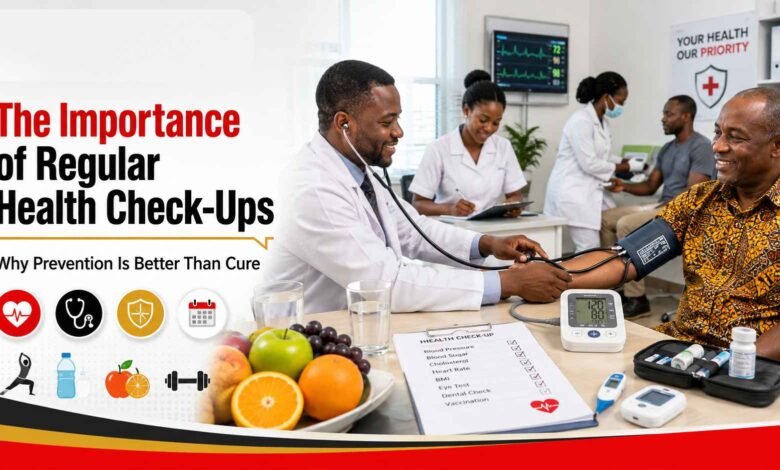
The Importance of Regular Health Check-Ups: Why Prevention Is Better Than Cure.
Many people only visit a hospital or clinic when they feel sick. However, regular health check-ups are an important part of staying healthy. Preventive healthcare helps identify potential health problems early, often before symptoms appear, making treatment more effective and reducing the risk of serious complications.
In Ghana, diseases such as high blood pressure, diabetes and certain cancers are becoming more common. Many of these conditions can be managed successfully if detected early through routine medical examinations.
What Is a Health Check-Up?
A health check-up is a routine medical examination carried out by a qualified healthcare professional to assess your overall health. It may include discussions about your medical history, a physical examination and, where appropriate, laboratory tests or screenings.
Regular check-ups help doctors monitor your health and recommend lifestyle changes that can reduce the risk of illness.
READ ALSO: 8 Everyday Foods That Can Help Strengthen Your Immune System
Why Are Regular Health Check-Ups Important?
1. Early Detection of Diseases
Many serious health conditions develop gradually and may not show symptoms in their early stages.
Routine screenings can help identify conditions such as:
- High blood pressure
- Diabetes
- High cholesterol
- Kidney disease
- Certain cancers
Early diagnosis often leads to better treatment outcomes.
2. Preventing Serious Complications
Detecting health conditions before they worsen can reduce the risk of complications such as heart attacks, strokes and kidney failure.
Preventive care also helps reduce long-term medical costs.
3. Monitoring Existing Health Conditions
People living with chronic illnesses need regular reviews to ensure their treatment is working effectively.
Routine appointments allow healthcare providers to adjust medications and monitor progress.
4. Encouraging Healthy Living
Health professionals can provide guidance on:
- Healthy eating
- Physical activity
- Weight management
- Stress management
- Sleep habits
- Smoking and alcohol reduction
These recommendations help reduce the risk of many preventable diseases.
Health Screenings Adults Should Consider
Depending on your age, sex, family history and medical advice, your healthcare provider may recommend:
- Blood pressure checks
- Blood sugar testing
- Cholesterol testing
- Eye examinations
- Dental check-ups
- Breast cancer screening
- Cervical cancer screening
- Prostate health discussions for men
- General physical examinations
Always discuss the most appropriate screenings with a qualified healthcare professional.
Healthy Habits That Support Good Health
Regular check-ups work best when combined with healthy daily habits:
Eat a Balanced Diet
Include fruits, vegetables, whole grains, lean proteins and plenty of clean drinking water.
Exercise Regularly
Aim for at least 150 minutes of moderate physical activity each week, or follow advice from your healthcare provider.
Get Enough Sleep
Adults generally benefit from 7–9 hours of quality sleep each night.
Avoid Tobacco
Smoking significantly increases the risk of heart disease, stroke and several cancers.
Limit Alcohol
If you drink alcohol, do so in moderation according to medical guidance.
Manage Stress
Take time to relax, stay connected with family and friends, and seek support when needed.
Common Misconceptions
“I Feel Fine, So I Don’t Need a Check-Up.”
Many health conditions have no obvious symptoms during their early stages.
“Health Check-Ups Are Only for Older People.”
Preventive healthcare is beneficial for adults of all ages and can help establish healthy habits early in life.
“Health Screenings Are Too Expensive.”
Routine preventive care can often help avoid the higher costs associated with treating advanced illnesses.
When Should You Visit a Healthcare Provider?
Apart from routine check-ups, seek medical attention if you experience symptoms such as:
- Persistent chest pain
- Difficulty breathing
- Unexplained weight loss
- Severe headaches
- Continuous fever
- Blood in urine or stool
- Unusual lumps or swelling
Prompt medical assessment is essential if you experience these or other concerning symptoms.
Looking after your health should not begin only when illness strikes. Regular health check-ups provide an opportunity to detect diseases early, receive professional advice and make positive lifestyle changes that support long-term well-being.
By combining routine medical care with healthy habits such as balanced nutrition, exercise and adequate rest, Ghanaians can take important steps toward living longer, healthier lives.
Frequently Asked Questions
How often should adults have a health check-up?
The frequency depends on your age, health status and risk factors. Your healthcare provider can recommend a suitable schedule.
Can regular check-ups prevent disease?
While they cannot prevent every illness, they can help detect many conditions early and support healthier lifestyle choices.
Should young adults also have routine health check-ups?
Yes. Preventive healthcare is valuable for adults of all ages and helps establish healthy habits while identifying potential health concerns early.
FOLLOW US ON FACEBOOK